Every guide on how to track ChatGPT rankings comes from a tool vendor. Ahrefs points you to Brand Radar. Semrush pushes the AI Visibility Toolkit. SE Ranking, Keyword.com, and Omnia each published their own version, and every one ends at a pricing page.
Here is the version with no pricing page at the end. I do this work for clients, and most of what actually matters costs nothing to understand.
First, Kill the Word “Rankings”
ChatGPT has no results page. Position 4 does not exist. When someone asks “best app development agencies in LA,” ChatGPT writes one synthesized answer and names maybe five brands. You are in that answer or you do not exist for that user.
So instead of chasing a rank, you track ChatGPT visibility across four things:
Mention rate. Across a set of prompts, what percentage of answers name your brand?
Position in the answer. Being the first brand named is worth more than being the sixth in an “also worth considering” line.
Sentiment and accuracy. How does ChatGPT describe you? Outdated pricing, a dead product line, a founder who left two years ago: a stale public footprint gets you a stale description.
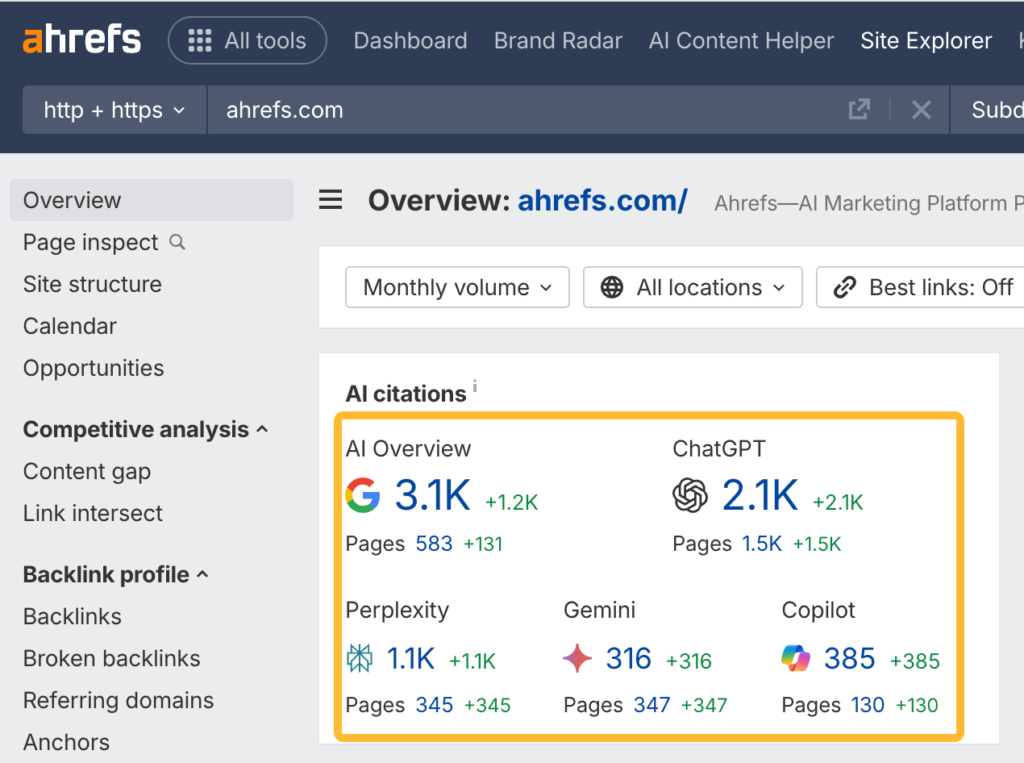
Citations. When ChatGPT searches the web to answer, which URLs does it pull from? This is the one metric you can directly act on.
The Two ChatGPTs Problem
This part trips up most people, and it changes your entire strategy.
ChatGPT answers from two different places. Conversational answers draw on training data, the model’s baked-in knowledge of your brand. Search-mode answers draw on live web retrieval, where ChatGPT runs searches and reads pages in real time.
These need separate fixes. Training-data visibility builds through durable, high-authority coverage: press, Wikipedia, YouTube, Reddit threads that survive for years. Search-mode visibility sits closer to classic SEO: crawlable pages that rank for the fan-out queries ChatGPT generates behind the scenes.
Bing still matters more than most marketers assume, since ChatGPT’s search mode runs on Bing’s retrieval infrastructure. Do not oversell the connection, though. A large Ahrefs study of 15,000 queries found that what ChatGPT actually cites overlaps with Bing or Google’s top 10 results only about 11 percent of the time on average, and ChatGPT showed the least overlap of any AI assistant tested. Ranking on Bing does not guarantee a citation. Getting indexed on Bing counts as table stakes, not a shortcut, so fix it and move to the sources that actually drive citations.
How to Track ChatGPT Rankings Manually (Start Here)
Do this before any tool. It takes an afternoon, and it is what I run for every new client audit.
- Write 30 to 50 prompts a real buyer would type. Three buckets: category discovery (“best CRM for small agencies”), comparisons (“X vs Y”), and direct brand questions (“is X legit”).
- Run each prompt in a fresh chat, logged out or in a temporary chat, so your history does not skew the answers.
- Log in a sheet: mentioned yes/no, position, what was said, which competitors appeared, which sources got cited.
- Repeat weekly.
The vendors have a genuine point here: answers vary between runs. The same prompt can name you on Monday and skip you on Wednesday. One manual check works like judging the weather from a single glance out the window. You need repeated samples before any trend means anything. Manual tracking holds up for 20 to 30 prompts. Past that it collapses, which is exactly when a tool earns its fee.
The Best Rank Tracking Tools for ChatGPT
The category is crowded, and every tool measures roughly the same four metrics. Prompt volume and workflow separate them. If you just want a quick chatgpt ranking checker for a handful of prompts, most of these offer a free tier for that. If you need daily tracking across a full prompt set, that is where a proper rank tracking tool for ChatGPT earns its price.
Ahrefs Brand Radar sits on a database of hundreds of millions of search-backed prompts, which solves the variance problem by brute force. Semrush’s AI Visibility Toolkit adds sentiment and share of voice against competitors. Smaller dedicated trackers like Siftly, Peec, and Profound run your custom prompt sets daily with multiple samples per prompt.
Verify one thing before paying: whether the tool queries the actual ChatGPT product or just the OpenAI API. The API model differs from what consumers see, because the consumer product carries its own retrieval and personalization layer. A tool tracking API responses tracks a ChatGPT your buyers never use.
The Report That Actually Makes Money
Mention rates stay vanity metrics. The citation gap report is where the real work happens.
Filter for prompts where competitors get mentioned and you do not. Then check which pages ChatGPT cited in those answers. Some of those pages are listicles and review roundups that simply do not include you yet, and each one becomes an outreach target. Think of it as digital PR with a new scoreboard: instead of chasing DR for its own sake, you chase placement on the specific URLs ChatGPT already trusts as sources in your category.
Ahrefs ran a correlation analysis across 75,000 brands on what predicts AI visibility across ChatGPT, Google AI Mode, and AI Overviews combined. YouTube mentions came out strongest at 0.74, ahead of branded web mentions at 0.66. Branded search volume trailed at 0.35. Worth noting: ChatGPT specifically showed a weaker correlation with these signals than Google’s AI surfaces did, so treat this as directional rather than a precise formula for ChatGPT alone. Across their full prompt database, Reddit remains the single most cited domain, ahead of Wikipedia. Read that list again: YouTube, Reddit, Wikipedia, branded press. AI visibility runs mostly on off-site authority, and your own blog holds a minority stake in it.
How to Track ChatGPT AI Rankings Over Time for a Client
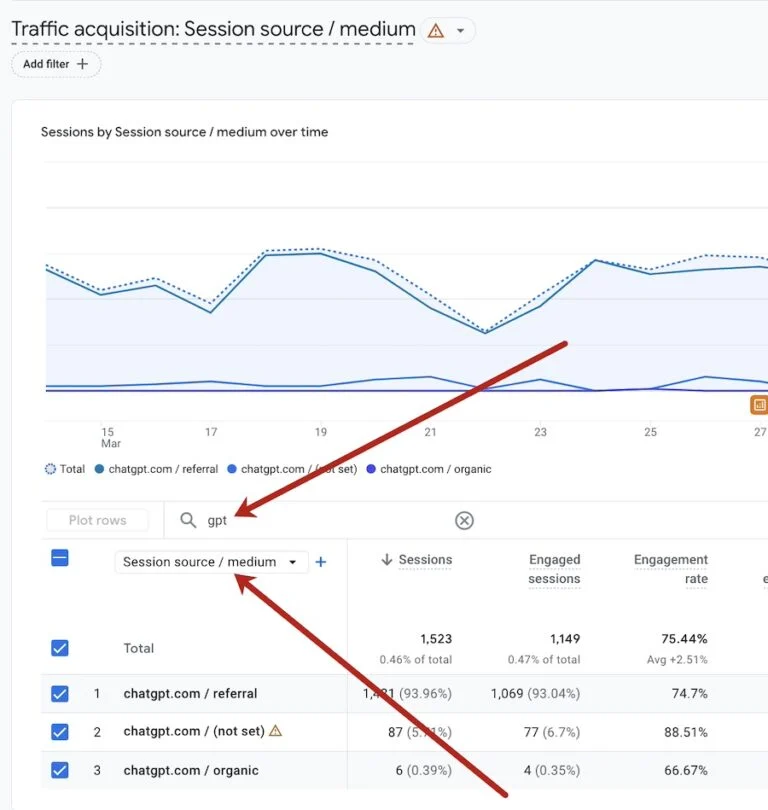
No Search Console exists for ChatGPT, but referral traffic shows up in GA4 under chatgpt.com. It looks small next to Google. Check the conversion rate next, since that is what proves your tracking work translates into revenue. In one widely cited B2B case study, ChatGPT referrals converted at 15.9 percent against 1.76 percent for Google organic on the same site, because the AI already did the shortlisting before the click. Other industry studies show a wider range, from 1.4 to 7 percent depending on the category, but the direction holds everywhere: small traffic, pre-qualified buyers. That line gets budgets approved.
The Honest Summary
Tracking ChatGPT rankings does not need to be complicated. Build a buyer-intent prompt set, sample it repeatedly, separate conversational from search-mode answers, and audit citations for gaps. Fixing it wears the familiar grind in new clothes: Bing indexing, Reddit presence, YouTube coverage, Wikipedia accuracy, placements on the pages ChatGPT already cites.
The tools earn their keep once your prompt set outgrows a spreadsheet. But if a vendor’s article told you the first step was their free trial, now you know why. If you would rather start with a structured SEO audit that covers both traditional search and AI visibility, that is where I would begin.
Want This Audited for Your Brand?
If you need help with getting traffic and sales from ChatGPT, I can help you with this.